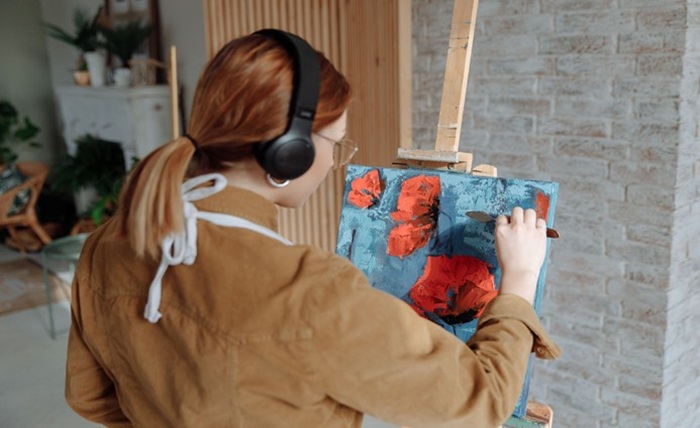
Mental health is influenced by numerous factors, including work demands, relationships, physical health, and daily routines. When responsibilities dominate everyday life, people may have limited opportunities to relax, express emotions, or experience satisfaction outside professional achievements. Hobbies can help address this imbalance by providing activities that encourage engagement, enjoyment, and personal development. Their psychological benefits extend beyond entertainment and may contribute to emotional regulation, stress management, and overall well-being.
However, not every leisure activity affects mental health in the same way. For example, someone exploring online entertainment might encounter this website, which features a chance-based roulette game. Gambling can involve financial losses and emotional stress, making it different from hobbies centered on creativity, learning, or physical activity. Understanding these differences helps individuals select leisure experiences that support their psychological needs rather than introduce additional sources of pressure.
How Hobbies Help Reduce Stress
Stress develops when individuals perceive that demands exceed their available resources. Work deadlines, household responsibilities, and financial concerns can contribute to prolonged psychological tension.
Hobbies provide opportunities to shift attention away from these demands. Activities such as painting, gardening, reading, and playing music encourage concentration on tasks unrelated to everyday obligations.
This change in focus may reduce repetitive thinking about stressful situations and create periods of psychological recovery.
Research has found associations between leisure participation and lower perceived stress, although the extent of these benefits depends on the activity, frequency, and individual circumstances.
Importantly, hobbies work best as stress-management tools when participation remains voluntary rather than becoming another obligation.
Emotional Regulation Through Creative Activities
Creative hobbies offer opportunities to process experiences and express feelings through actions rather than conversation.
Writing, drawing, photography, music, and crafts allow individuals to translate thoughts and emotions into creative work.
For example, journaling can help someone identify emotional patterns, while painting may provide an outlet for expression without requiring verbal explanations.
The psychological benefit does not necessarily depend on artistic ability or the quality of the finished product.
Instead, the process of creating something can encourage reflection, concentration, and a sense of control.
Creative activities should not replace professional mental health treatment when needed, but they can complement strategies for managing everyday emotional challenges.
The Connection Between Hobbies and Mood
Mood is influenced by experiences of pleasure, achievement, social interaction, and physical activity.
Hobbies can provide several of these experiences simultaneously. Completing a project may create satisfaction, while learning a technique offers a sense of progress.
Activities involving movement, such as cycling, dancing, or hiking, may also support mood through physical exercise.
Even activities without measurable outcomes can contribute to enjoyment by providing a break from repetitive routines.
However, mood improvements are not guaranteed after every session. Fatigue, personal expectations, and environmental conditions can influence the experience.
Choosing activities based on genuine interest increases the likelihood that participation will remain rewarding.
How Hobbies Support Self-Esteem and Confidence
Adults often evaluate their abilities through professional performance, financial success, or responsibilities toward others.
Hobbies create opportunities to develop competence outside these areas.
Learning photography, mastering a musical instrument, or improving gardening techniques involves setting goals, practicing skills, and observing progress.
Each achievement can reinforce the belief that improvement is possible through effort.
Unlike professional environments, hobbies generally allow participants to establish their own expectations and learning pace.
This freedom can reduce fear of mistakes and encourage experimentation.
Nevertheless, excessive comparison with experienced hobbyists may undermine confidence, particularly when beginners expect rapid results.
Social Hobbies and Psychological Well-Being
Social connection is an important component of psychological health. Isolation and limited interpersonal interaction can contribute to loneliness and emotional distress.
Group hobbies provide opportunities to build relationships through shared interests.
Sports clubs, reading groups, community workshops, and volunteer projects encourage communication and cooperation.
These activities can help individuals develop friendships outside professional or family environments.
Shared experiences also create opportunities for mutual support and belonging.
However, solitary hobbies can be equally meaningful for people who need independence or time away from social demands.
The psychological value depends on whether the activity satisfies personal needs rather than the number of people involved.
Mindfulness, Concentration, and Mental Recovery
Certain hobbies require sustained attention to the present moment.
Activities such as knitting, woodworking, gardening, and nature photography encourage participants to focus on movement, sensory information, and immediate tasks.
This concentration may reduce attention to distracting thoughts and worries.
Some individuals experience a state of deep engagement, often described as flow, when the difficulty of an activity matches their skill level.
During these periods, attention becomes focused on the task, and awareness of time may decrease.
Although flow is not guaranteed, hobbies that balance challenge and ability can create conditions that support this experience.
Choosing Hobbies for Different Emotional Needs
Different psychological needs may benefit from different types of hobbies.
Someone experiencing mental fatigue might prefer activities involving movement or repetitive manual tasks. Individuals seeking intellectual stimulation may enjoy puzzles, languages, or technical projects.
Creative hobbies can support self-expression, while group activities may help people seeking social connection.
It is useful to evaluate emotional responses after participation. Consider whether the activity reduces tension, creates satisfaction, or leaves you feeling pressured.
These observations can guide future choices and help distinguish rewarding hobbies from activities pursued because of external expectations.
Why Consistency Matters More Than Intensity
The psychological benefits of hobbies do not necessarily require long sessions or substantial investments.
Regular participation provides repeated opportunities for relaxation, enjoyment, and personal achievement.
Short sessions of reading, drawing, exercising, or gardening can fit into demanding schedules.
However, strict performance targets may reduce enjoyment. Allowing flexibility helps preserve the voluntary nature of leisure.
The goal is not to maximize productivity but to establish activities that contribute positively to everyday life.
Making Hobbies Part of Mental Health Maintenance
Hobbies can support mental health by creating opportunities for emotional expression, stress reduction, social connection, and personal growth.
Their value depends on individual preferences, realistic expectations, and the ability to participate without excessive pressure.
Exploring different activities can help people discover which experiences provide relaxation, motivation, or satisfaction.
Although hobbies are not substitutes for mental health care, they can become part of a broader approach to psychological well-being.
Maintaining personal interests throughout adulthood helps create a life that includes more than obligations, allowing space for curiosity, creativity, and emotional recovery.