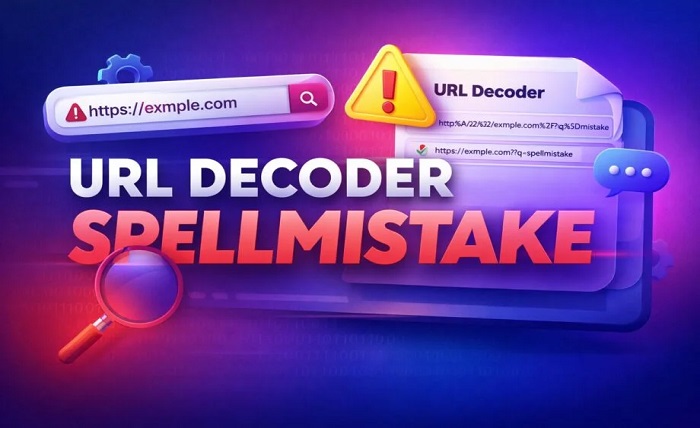
The term url decoder spellmistake refers to errors that occur when decoding a URL due to incorrect spelling, formatting, or encoding issues. When users or developers deal with encoded URLs, even a small typo can cause a url decoder spellmistake, leading to broken links or unreadable web addresses. Understanding how a url decoder spellmistake happens is the first step toward fixing it efficiently and ensuring smooth navigation.
What Is URL Encoding and Decoding?
To fully grasp the concept of url decoder spellmistake, it’s important to understand URL encoding and decoding. Encoding converts special characters into a format that can be transmitted over the internet, while decoding restores them to their original form. A url decoder spellmistake can occur when encoded characters are incorrectly typed or misinterpreted during the decoding process, causing errors in how the URL is displayed or accessed.
Common Causes of URL Decoder Spellmistake
There are several reasons why a url decoder spellmistake might happen. One common cause is manual entry errors, where users type encoded URLs incorrectly. Another cause of url decoder spellmistake is using incompatible tools that misinterpret encoding standards. Additionally, copying and pasting URLs from unreliable sources can introduce hidden characters, resulting in a url decoder spellmistake that disrupts functionality.
How URL Decoder Spellmistake Affects SEO
A url decoder spellmistake can negatively impact search engine optimization (SEO) by making URLs unreadable or inaccessible. Search engines rely on clean and properly decoded URLs to index pages effectively. When a url decoder spellmistake occurs, it may lead to broken links, reduced crawlability, and a poor user experience. Fixing any url decoder spellmistake is crucial for maintaining website visibility and rankings.
Tools to Fix URL Decoder Spellmistake
Fortunately, there are many tools available to resolve a url decoder spellmistake quickly. Online URL decoders, browser extensions, and developer tools can help identify and correct errors. When dealing with a url decoder spellmistake, it’s best to use reliable tools that follow standard encoding formats. These tools ensure that the decoding process is accurate and free from additional mistakes.
Best Practices to Avoid URL Decoder Spellmistake
Preventing a url decoder spellmistake is easier than fixing one. Always double-check URLs before sharing or decoding them, and avoid manual editing of encoded strings. Using automated systems and trusted platforms can reduce the risk of a url decoder spellmistake. Maintaining consistency in encoding standards is another effective way to prevent a url decoder spellmistake from occurring.
Real-Life Examples of URL Decoder Spellmistake
In real-world scenarios, a url decoder spellmistake can lead to broken webpages or incorrect redirects. For instance, an incorrectly decoded space character (%20) might turn into an invalid symbol, causing a url decoder spellmistake. Such issues can confuse users and reduce trust in a website. Recognizing these examples helps in quickly identifying and fixing a url decoder spellmistake.
Why Developers Should Care About URL Decoder Spellmistake
Developers must pay close attention to url decoder spellmistake issues because they directly affect application performance and user experience. A single url decoder spellmistake in code can break an entire feature or lead to incorrect data handling. By implementing proper validation and testing, developers can minimize the chances of a url decoder spellmistake and ensure smooth functionality.
Conclusion
In conclusion, understanding and addressing a url decoder spellmistake is essential for anyone working with web technologies. From improving SEO to enhancing user experience, fixing a url decoder spellmistake ensures that URLs function correctly and efficiently. By using reliable tools, following best practices, and staying aware of potential errors, you can avoid common pitfalls related to url decoder spellmistake and maintain a seamless online presence.
FAQs
1. What is a URL decoder spellmistake?
A url decoder spellmistake is an error that occurs when a URL is incorrectly decoded due to typos or formatting issues.
2. How can I fix a url decoder spellmistake?
You can fix a url decoder spellmistake by using online decoding tools and verifying the correctness of encoded characters.
3. Does a url decoder spellmistake affect SEO?
Yes, a url decoder spellmistake can harm SEO by creating broken links and reducing website accessibility.
4. What tools help prevent url decoder spellmistake?
Reliable URL decoders, browser tools, and automated systems can help prevent a url decoder spellmistake.
5. Can beginners handle url decoder spellmistake issues?
Yes, even beginners can fix a url decoder spellmistake by using simple tools and following basic guidelines.