Introduction
Email etiquette is the foundation of professional digital communication, and understanding email etiquette helps you create clear, respectful, and effective messages in both personal and business contexts. Good email etiquette ensures your message is understood correctly and leaves a positive impression on the recipient.
Email etiquette is not just about grammar or spelling; it is also about tone, structure, timing, and awareness of your audience. When you practice strong email etiquette, you reduce misunderstandings and increase the chances of getting prompt and appropriate responses.
In today’s fast-paced digital world, email etiquette has become even more important because emails often replace face-to-face conversations. Without proper email etiquette, messages can easily sound rude, confusing, or unprofessional.
The Basics of Email Etiquette
Email etiquette starts with understanding the basic rules that guide professional communication. These rules include clarity, politeness, and purpose-driven writing, all of which are essential parts of email etiquette.
One of the most important aspects of email etiquette is clarity. Every email should have a clear purpose so the reader immediately understands why you are writing. Poor email etiquette often leads to vague messages that confuse recipients.
Another key part of email etiquette is politeness. Even if you are in a hurry or frustrated, maintaining a respectful tone is necessary. Strong email etiquette ensures that your message remains professional under all circumstances.
Finally, email etiquette also includes proper formatting. Short paragraphs, bullet points, and structured content are all part of effective email etiquette that improves readability and engagement.
Crafting the Perfect Subject Line in Email Etiquette
Subject lines are one of the most important parts of email etiquette because they determine whether your email gets opened or ignored. Good email etiquette requires subject lines that are clear, specific, and relevant.
In email etiquette, a strong subject line should summarize the content of the email in a few words. For example, instead of writing “Update,” proper email etiquette suggests writing “Project Update – Marketing Campaign Results.”
Email etiquette also discourages using misleading or clickbait-style subject lines. Such practices damage trust and violate basic email etiquette principles.
When practicing email etiquette, always ensure your subject line matches the email content. Misleading subject lines break email etiquette and can harm your professional reputation.
Proper Greeting and Tone in Email Etiquette
Greeting and tone play a major role in email etiquette because they set the mood for the entire message. A proper greeting shows respect and professionalism, which are key elements of email etiquette.
In email etiquette, using the correct salutation is important. For formal emails, greetings like “Dear Sir/Madam” or “Dear Mr. Ahmed” are appropriate, while informal email etiquette allows “Hello” or “Hi.”
Tone is equally important in email etiquette. Your tone should match the relationship you have with the recipient. Professional email etiquette avoids slang, sarcasm, or overly casual language in formal communication.
Maintaining a positive tone is a core principle of email etiquette. Even when addressing problems, good email etiquette ensures your message remains constructive rather than confrontational.
Structuring Your Email for Clarity in Email Etiquette
Structure is a key part of email etiquette because it determines how easily your message can be read and understood. Proper email etiquette requires logical organization of ideas.
In email etiquette, every email should start with an introduction, followed by the main message, and end with a clear conclusion or call to action. This structure is essential for effective email etiquette.
Paragraphing is also important in email etiquette. Long blocks of text should be avoided because they reduce readability and violate good email etiquette practices.
Using bullet points and numbering is another useful technique in email etiquette. It helps break down complex information into digestible parts, improving overall communication quality.
Email Etiquette for Professional Communication
Professional communication relies heavily on email etiquette because emails often represent your personality and professionalism in the workplace. Strong email etiquette can influence career growth and business relationships.
In workplace email etiquette, responding promptly is essential. Delayed responses may be seen as unprofessional or disrespectful, making response time a critical part of email etiquette.
Email etiquette also includes proper use of CC and BCC fields. Misusing these features can lead to confusion, privacy issues, or miscommunication, which violates basic email etiquette standards.
Another important aspect of professional email etiquette is proofreading. Spelling and grammar mistakes can damage credibility, so careful review is a must in proper email etiquette.
Common Mistakes to Avoid in Email Etiquette
Understanding mistakes is just as important as following rules in email etiquette. One common mistake in email etiquette is writing overly long emails that lose focus and clarity.
Another mistake in email etiquette is using all capital letters, which can appear aggressive or unprofessional. Proper email etiquette requires balanced formatting and tone.
Ignoring the recipient’s perspective is another failure in email etiquette. Effective email etiquette always considers how the message will be received and interpreted.
Failing to include a clear call to action is also a weak point in email etiquette. Every email should guide the reader on what to do next, which is a key principle of email etiquette.
Advanced Tips for Mastering Email Etiquette
Advanced email etiquette goes beyond basic rules and focuses on refining communication style for maximum impact. Mastering email etiquette at this level improves efficiency and professionalism.
One advanced email etiquette tip is personalization. Addressing recipients by name and tailoring content improves engagement and reflects strong email etiquette.
Timing is another important factor in email etiquette. Sending emails at appropriate times increases the chances of quick responses and reflects thoughtful email etiquette.
Another advanced email etiquette practice is managing tone across different cultures and audiences. Cultural awareness is an essential part of modern email etiquette in global communication.
Finally, email etiquette also includes knowing when not to send an email. Sometimes a phone call or meeting is more appropriate, which shows mature understanding of email etiquette.
Conclusion
Email etiquette is a vital skill in today’s digital world, and mastering email etiquette can significantly improve both personal and professional communication. From subject lines to tone, structure, and timing, every aspect of email etiquette contributes to how your message is received.
Practicing strong email etiquette helps you build trust, avoid misunderstandings, and present yourself as a professional communicator. Whether in business or casual settings, email etiquette remains an essential tool for effective communication.
FAQs
1. What is email etiquette?
Email etiquette refers to the set of rules and best practices for writing polite, clear, and professional emails.
2. Why is email etiquette important?
Email etiquette is important because it ensures clear communication, builds professionalism, and reduces misunderstandings.
3. What are the basic rules of email etiquette?
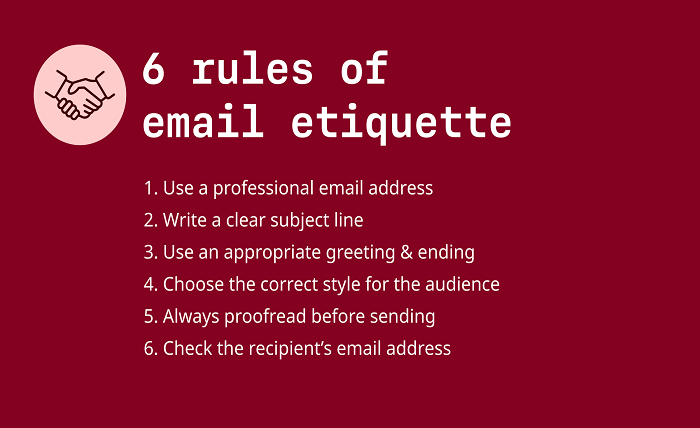
Basic email etiquette includes clear subject lines, polite tone, proper structure, and proofreading before sending.
4. How can I improve my email etiquette?
You can improve email etiquette by practicing clarity, using proper greetings, and avoiding common mistakes like long or unclear messages.
5. Does email etiquette differ between formal and informal emails?
Yes, email etiquette varies depending on context; formal emails require stricter rules, while informal email etiquette allows a more relaxed tone.